Return to Silent Hill Movie Unveils Chilling Radio Scene
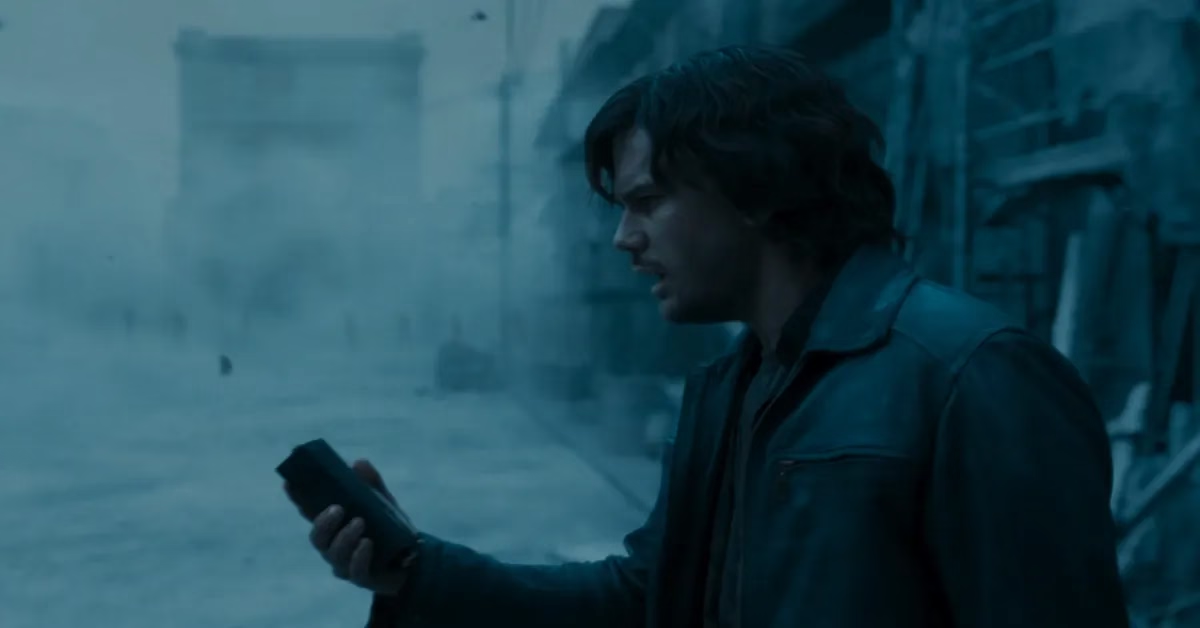
The fog thickens, the static crackles, and the nightmare begins anew. An exclusive preview has emerged from the highly anticipated Return to Silent Hill film adaptation, offering audiences their first authentic glimpse into a moment that defines the very essence of psychological horror. This isn't merely footage—it's a promise that the haunting atmosphere of Silent Hill 2 will transcend the screen and envelop viewers in its suffocating dread.
The Radio: More Than Just a Prop
What makes a simple radio so terrifying? In the world of Silent Hill, this unassuming device transforms into a herald of approaching doom. The newly released clip showcases James Sunderland's discovery of the radio, a scene that long-time fans will recognize as the franchise's signature warning system. When that white noise erupts, players—and now viewers—know that something unspeakable lurks nearby.
The production team has meticulously recreated this pivotal sequence, understanding that the radio represents far more than a gameplay mechanic. It embodies the sensory assault that makes Silent Hill uniquely disturbing. Director Christophe Gans appears to recognize that horror lives not in what viewers see, but in what they hear, feel, and anticipate.
A Faithful Translation of Terror
Scheduled for theatrical release on January 23, 2026, Return to Silent Hill stands as a cinematic adaptation of one of gaming's most revered horror experiences. Unlike previous attempts to bring the franchise to the big screen, this production demonstrates a profound understanding of its source material. The exclusive footage shared through select media outlets confirms that Gans isn't simply directing a horror movie—he's orchestrating a nightmare.
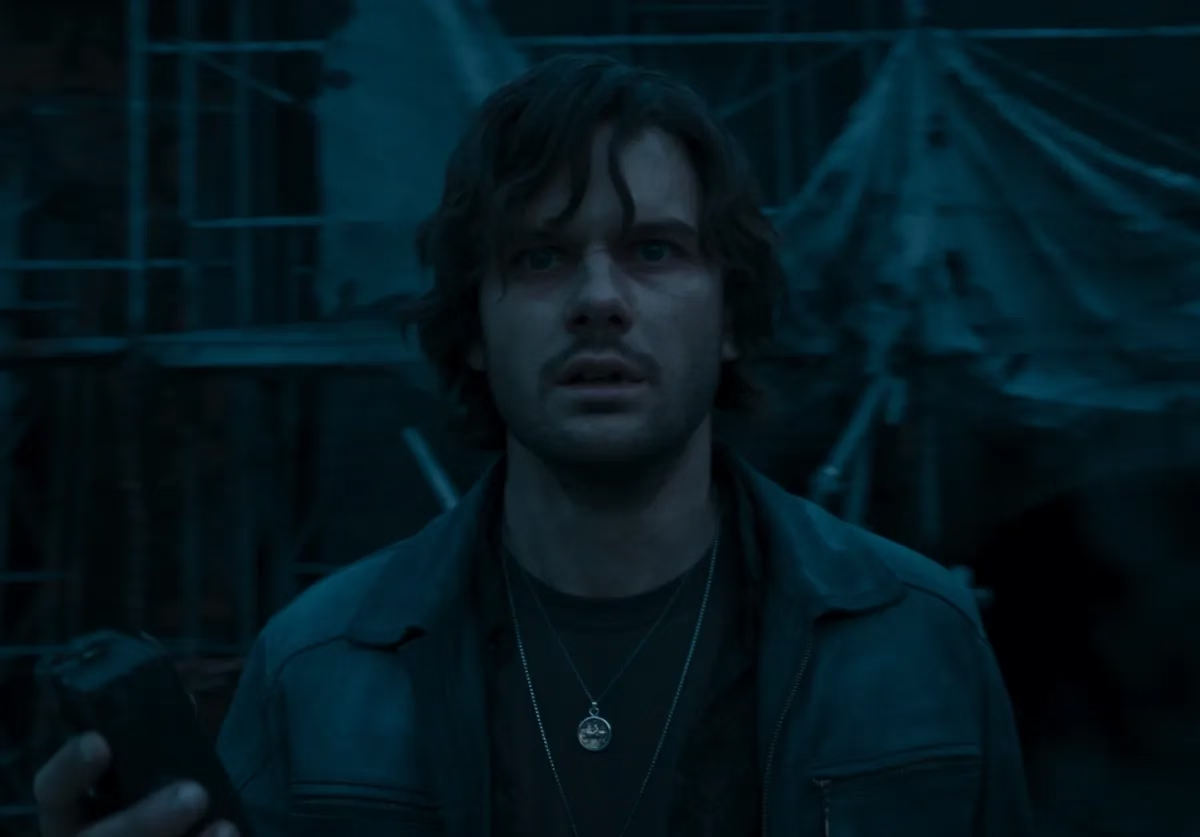
Every frame of the released clip radiates authenticity. James's movements mirror the cautious, disoriented behavior of his digital counterpart from the 2001 masterpiece. His hesitation, the way he grips the radio, the confusion clouding his expression—these subtle details reveal a production team that has studied the game with scholarly dedication. 🎮
The Soundscape of Nightmares
Can a movie truly capture the oppressive atmosphere that made Silent Hill 2 legendary? The audio design in this brief preview suggests an emphatic yes. The soundscape draws heavy inspiration from composer Akira Yamaoka's iconic work, incorporating that soul-crushing white noise and the haunting air raid siren that signals impending terror. Even in this short snippet, the audio feels suffocating, wrapping around viewers like the town's infamous fog. 🔊
Yamaoka's influence extends beyond simple recreation. The sound design understands that Silent Hill's horror operates on a frequency that bypasses rational thought and strikes directly at primal fear. That static isn't just noise—it's the sound of reality fracturing, of the barrier between worlds growing dangerously thin.
Key Audio Elements
| Sound Element | Purpose | Emotional Impact |
|---|---|---|
| Radio Static | Monster Proximity Warning | Immediate Anxiety |
| Air Raid Siren | Dimensional Shift Alert | Existential Dread |
| Ambient Noise | Atmospheric Tension | Sustained Unease |
| Silence | Anticipation Building | Peak Vulnerability |
Respecting the Psychological Weight
What separates Silent Hill from conventional horror? The answer lies in how it treats its monsters. The exclusive footage suggests that Gans understands this crucial distinction. Rather than reducing iconic entities like Pyramid Head to mere slasher antagonists, the film appears committed to preserving their psychological significance.
These creatures aren't villains to be defeated—they're manifestations of guilt, trauma, and buried shame. They lurk in the narrative's shadows, waiting for their moment not because of dramatic timing, but because that's how manifestations of psychological torment operate. They appear when the mind can no longer suppress them, when James's carefully constructed defenses begin crumbling. 😱
The Intimacy of Horror
Perhaps the most promising aspect of this preview is its focus on intimate moments of terror. In an era where horror films often rely on jump scares and gore, Return to Silent Hill appears to embrace subtlety. A man discovering a broken radio becomes profoundly unsettling because the film trusts its audience to understand the implications.
This approach suggests confidence in the material and respect for viewer intelligence. Horror enthusiasts don't need constant stimulation—they need atmosphere, tension, and the space to let dread accumulate naturally. By prioritizing these small, charged moments, Gans demonstrates an understanding of what makes psychological horror truly effective.
Decades in the Making
Has the wait finally ended? Silent Hill fans have endured disappointments, false starts, and adaptations that missed the mark. The franchise's transition to film has been fraught with challenges, as capturing the game's unique atmosphere proved consistently elusive. Could this 2026 release finally deliver the definitive cinematic experience that honors the source material?
The exclusive clip offers substantial hope. Every element—from the visual grittiness to the oppressive sound design—indicates a production that comprehends what made Silent Hill 2 a masterpiece. This isn't a Hollywood blockbuster trying to capitalize on name recognition; it's a love letter to psychological horror, rendered by creators who understand the assignment. 💌
What Fans Can Expect
-
Authentic Atmosphere: Grounded, gritty visuals that capture the game's aesthetic
-
Faithful Adaptations: Key scenes and moments recreated with meticulous attention
-
Psychological Depth: Monsters treated as symbolic manifestations rather than simple threats
-
Sound Design Excellence: Audio landscape inspired by Yamaoka's legendary compositions
-
Character-Driven Horror: Focus on James's psychological journey and internal torment
The Test of Static
Does the sound of radio static still evoke visceral reactions after all these years? For those who played Silent Hill 2 during its original release, that white noise became permanently associated with dread. It conditioned players to tense up, to prepare for encounters with nightmares made flesh. The fact that this film recreation can evoke similar responses from a brief clip speaks volumes about its potential impact.
This phenomenon raises interesting questions about horror's lasting power. Silent Hill 2 debuted over two decades ago, yet its core mechanics—like the radio warning system—remain effectively disturbing. The film's ability to harness this enduring potency suggests that Gans has identified something timeless in the source material's approach to fear. 🎬
Beyond Simple Adaptation
What separates a faithful adaptation from a truly great one? While the film expands the visual world of Silent Hill, introducing cinematic techniques unavailable to the 2001 game, it appears to maintain the core emotional truth that made the original resonate. This balance represents the holy grail of video game adaptations—honoring the source while leveraging the unique strengths of cinema.
The exclusive footage reveals a production that isn't content with surface-level recreation. Yes, the radio looks right and sounds right, but more importantly, it feels right. That distinction matters tremendously in horror, where atmosphere and mood determine whether audiences experience genuine unease or merely watch actors pretend to be scared.
The Promise of Nightmares
If this preview accurately represents the final product's quality, audiences may witness something rare: a video game adaptation that not only respects its source material but enhances it. Cinema offers tools that games cannot—longer takes, controlled pacing, cinematic photography—and when wielded by someone who understands the material, these tools can elevate the experience rather than dilute it.
The clip's focus on James and his radio—a moment so small yet so significant—reveals filmmaking confidence. In Hollywood's current landscape of constant stimulation and explosive set pieces, choosing to highlight a quiet moment of discovery takes courage. It suggests that Return to Silent Hill trusts its own narrative power, trusts the source material's enduring effectiveness, and most importantly, trusts its audience to appreciate genuine horror craftsmanship. ✨
A New Chapter Begins
As January 23, 2026 approaches, anticipation builds within the horror gaming community. The exclusive footage has provided more than a simple preview—it's offered validation that this adaptation understands what made Silent Hill 2 special. From the oppressive soundscape to James's authentic portrayal, every element points toward a film that might finally capture the essence of stumbling through fog-shrouded streets while something unspeakable stalks your every move.
The radio crackles. The static builds. The nightmare awaits. For fans who have defended Silent Hill's brilliance for decades, this glimpse suggests their patience may finally be rewarded with a cinematic experience worthy of the franchise's legacy. 🌫️
